
Quick Ideas to Brighten a Dark Room Easily
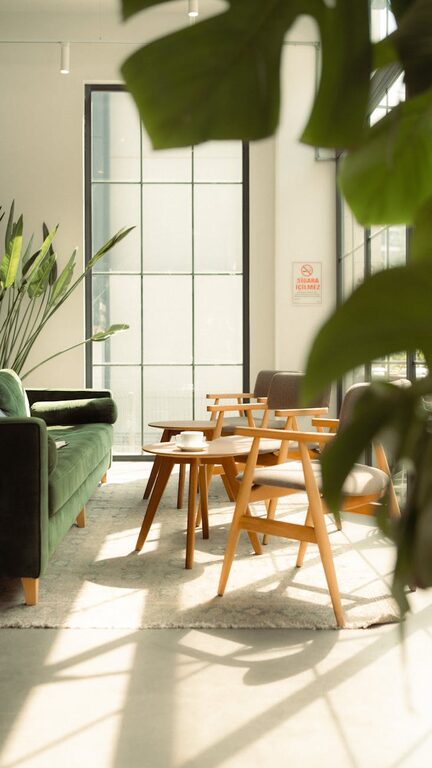
When a room feels dark and gloomy, it can affect your mood and make the space less inviting. Whether you’re dealing with limited natural light, small windows, or a layout that doesn’t allow much sunlight, there are plenty of easy ways to brighten up the space. This blog post shares quick ideas you can try to instantly make any dark room feel lighter and more cheerful.
Assess the Room’s Lighting
Before making changes, take a careful look at the room’s lighting situation.
– Natural light: How much sunlight enters the room during the day? Is anything blocking windows?
– Artificial lighting: What types of lights do you have? Are they bright enough or too harsh?
– Color of walls and furniture: Dark colors can absorb light, while lighter shades reflect it.
Understanding these factors helps you choose the best methods to increase brightness.
Use Reflective Surfaces
Reflective surfaces can bounce light around the room, spreading brightness more evenly.
– Mirrors: Adding a well-placed mirror opposite a window or light source can dramatically increase the sense of light.
– Glossy finishes: Consider furniture or decor with glossy or metallic finishes that reflect light.
– Glass and acrylic: Items made of glass or clear acrylic don’t absorb light and help maintain a feeling of openness.
Placing a large mirror or several smaller ones can create the illusion of space and enhance light.
Lighten Up Wall Colors
The colors on your walls have a big impact on how bright a room feels.
– Choose lighter shades: Whites, creams, pastels, and light neutrals reflect more light than dark paints.
– Avoid flat paint: Matte finishes absorb more light. Satin or eggshell finishes have a slight sheen that helps reflect light.
– Accent walls: If you want a splash of color, consider a light-colored accent wall rather than a dark one.
Even a few coats of a fresh, lighter paint can transform a space from gloomy to cheerful.
Improve Window Treatments
Windows are a key source of natural light, so the way you dress them matters.
– Sheer curtains: Light, airy fabrics let sunlight in while maintaining privacy.
– Light-colored blinds: Choose white or pale shades that won’t block light.
– Keep it simple: Heavy drapes and dark valances can make the room feel smaller and darker.
Also, regularly cleaning windows helps maximize the amount of sunlight coming through.
Upgrade Artificial Lighting
Good lighting doesn’t rely solely on natural light. Layering different light sources adds warmth and brightness.
– Overhead lights: Use bright bulbs with a color temperature around 3000K to 4000K for a natural, warm glow.
– Task lighting: Table lamps, floor lamps, and reading lights fill in dark corners and make the room more functional.
– Accent lighting: LED strip lights or wall sconces can highlight artwork or architectural details while adding light.
– Smart bulbs: Consider bulbs you can dim or change color temperature to adapt lighting throughout the day.
Multiple light sources spread evenly avoid harsh shadows and dark spots.
Choose Light-Colored Furnishings and Decor
Furniture and accessories with lighter hues blend with the space and reflect light.
– Upholstery: Opt for beige, cream, or pastel fabrics rather than deep colors.
– Rugs: A light-colored rug opens up the floor area visually.
– Decor accessories: Lampshades, cushions, and throws in pale shades brighten the room without overwhelming it.
Try to avoid too many large, dark pieces, as they absorb rather than reflect light.
Create an Open Layout
A cluttered or overcrowded room feels darker, so decluttering and rearranging helps.
– Minimize bulk: Keep furniture scaled to the size of the room.
– Open pathways: Allow light to flow easily through the space.
– Use multi-functional furniture: Choose items with storage to reduce clutter.
The more open and organized the room, the brighter and more welcoming it feels.
Add Greenery for Freshness
Plants don’t directly brighten light levels but can enliven a dark room.
– Choose light-loving plants: Snake plants, pothos, or peace lilies adapt well to lower light.
– Reflective pots: Use white or metallic pots to help reflect light.
– Placement: Place plants near windows or light sources to maximize their appearance.
Greenery adds a natural, vibrant element that complements brighter colors and light.
Use Artwork and Wall Decor Wisely
Walls don’t have to be bare to brighten a room — thoughtful decor can help.
– Light-colored artwork: Choose prints or paintings in bright colors.
– Framing: Simple, light-colored or metallic frames reflect light.
– Wall shelves: Install floating shelves with decorative items in pale tones to reflect and add interest.
Keep wall art balanced so it doesn’t overwhelm the space.
—
Final Thoughts
Brightening a dark room is all about maximizing the light you have and creating a space that feels open and inviting. Simple changes like a fresh coat of paint, better lighting, and thoughtful furniture choices can make a big difference. Try combining several of these ideas to create a room that feels cheerful and comfortable every time you enter.
With a few easy updates, your dark room can become your favorite spot in the house. Give some of these tips a try and enjoy the brighter, lighter space you create!